Why Your HVAC Breaker Keeps Tripping
Wondering why your HVAC breaker keeps tripping? Learn the common electrical and mechanical causes, warning signs, and why prompt diagnosis matters in Conway and Myrtle Beach, SC.
Introduction
An HVAC breaker keeps tripping when the electrical system detects a condition that could damage equipment or create a safety hazard. This protective response helps prevent overheating, electrical faults, and component failure. Many property owners first notice the issue when cooling suddenly stops during a hot day. Understanding the cause is the first step toward protecting both comfort and safety.
In Conway and Myrtle Beach, air conditioning systems often work harder because of South Carolina's tropical climate. High temperatures and humidity can increase the demand placed on HVAC equipment. As a result, electrical components may experience greater stress throughout the cooling season. These conditions can sometimes reveal underlying problems that were previously unnoticed.
Several electrical and mechanical issues can cause repeated breaker trips. Faulty wiring, overloaded circuits, and worn components are among the most common concerns. In some cases, the HVAC system may draw more power than normal due to internal equipment problems. When that happens, the breaker responds by shutting off power to prevent further damage.
Although an occasional breaker trip may not always indicate a major problem, recurring interruptions deserve prompt attention. Warning signs often develop before a larger failure occurs. Early diagnosis can help prevent costly repairs, improve system reliability, and reduce safety risks. If your HVAC breaker keeps tripping, professional inspection can help identify the root cause before conditions worsen.
What an HVAC Breaker Is Designed to Do
An HVAC breaker serves as an important safety device within your home's electrical system. Its primary purpose is to monitor the flow of electricity supplied to heating and cooling equipment. When electrical conditions exceed safe limits, the breaker automatically interrupts power. This action helps prevent damage to HVAC components and reduces potential safety hazards.
Every circuit breaker is designed to handle a specific electrical load. Under normal conditions, the HVAC system operates within that approved range. However, excessive current draw can occur when equipment malfunctions or electrical faults develop. When that happens, the breaker trips to stop the flow of electricity.
Many residents assume a tripped breaker is the problem itself. In reality, the circuit breaker is often responding correctly to another issue within the system. The interruption acts as an electrical warning sign homeowners should never ignore. Identifying the underlying cause is essential for preventing future disruptions.
In South Carolina, especially in Conway and Myrtle Beach, cooling systems often operate for extended periods during warm and humid months. Increased runtime places additional demand on HVAC equipment and electrical devices. While breakers are built to provide protection, repeated trips may indicate a developing concern. Prompt diagnosis helps ensure reliable performance and continued electrical safety throughout the year.
Common Electrical Reasons Behind Repeated Breaker Trips
Faulty Wiring
- Damaged or deteriorated wiring can increase electrical resistance.
- Excessive resistance generates heat and places stress on the circuit.
- The circuit breaker may trip to prevent overheating and equipment damage.
Loose Electrical Connections
- Connections can loosen over time due to normal system operation.
- Unstable connections may cause intermittent power flow.
- This condition can create heat buildup and electrical arcing, triggering the breaker.
Short Circuits
- A short circuit occurs when electricity follows an unintended path.
- This causes a sudden spike in electrical current.
- The breaker shuts off power immediately to protect the system and home.
Aging Electrical Components
- Worn contactors, capacitors, and other electrical parts may operate inefficiently.
- Aging components can increase power demand and system strain.
- As electrical performance declines, breaker trips may become more frequent.
Ground Faults
- Ground faults happen when electricity escapes its intended circuit path.
- Moisture and environmental conditions can contribute to these issues.
- The breaker trips as a safety measure to reduce electrical hazards.
Electrical Component Failure
- Failing HVAC electrical parts can draw excessive current.
- Increased amperage places additional pressure on the circuit.
- The breaker responds by disconnecting power before serious damage occurs.
Overloaded Circuits and Excessive Power Demand
An overloaded circuit can develop when electrical demand exceeds the circuit's designed capacity. HVAC systems require significant power, especially during periods of continuous operation. When demand becomes too high, the breaker trips to prevent overheating and equipment damage. This safety feature helps protect both the electrical system and the HVAC unit.
During South Carolina's long, hot summers, cooling systems often run for extended periods. Homes in Conway and Myrtle Beach frequently experience high humidity levels that increase cooling demands. As the HVAC system works harder to maintain indoor comfort, electrical loads can rise. Increased strain may expose existing circuit weaknesses or capacity issues.
In some cases, other household appliances may share the same electrical circuit. When multiple high-demand devices operate simultaneously, the circuit can become overloaded. This situation increases the likelihood of repeated breaker trips. Identifying the source of excessive electrical demand is an important part of the diagnostic process.
Warning signs of an overloaded circuit may include frequent breaker trips, dimming lights, or unusual system performance. These symptoms should not be ignored, especially during peak cooling season. Early evaluation can help prevent unnecessary wear on climate control systems and electrical devices. Professional assessment ensures the system operates safely and efficiently throughout the year.
Mechanical Issues That Can Trigger Breaker Trips
Not every circuit breaker trip originates from an electrical problem. Mechanical issues within the HVAC system can also increase power demand and place stress on the circuit. When components struggle to operate efficiently, they often draw more electricity than normal. As a result, the breaker may shut off power to protect the equipment.
HVAC motors are among the most common mechanical components linked to breaker trips. As motors age, internal parts can wear down and create additional friction. The motor must work harder to maintain performance, which increases electrical consumption. This added strain can eventually cause the breaker to activate.
Restricted airflow is another factor that can affect system operation. Dirty filters, blocked vents, or airflow imbalances may force the HVAC system to run longer than necessary. Extended runtime places extra demand on motors and other critical components. Over time, the increased workload can contribute to recurring breaker interruptions.
Mechanical wear often develops gradually and may go unnoticed at first. Households may observe reduced cooling performance, unusual noises, or longer operating cycles before breaker trips become frequent. In Conway and Myrtle Beach, heavy system use during South Carolina's tropical summers can accelerate wear on HVAC equipment. Prompt diagnosis helps identify these issues before they lead to larger repairs or system failure.
Compressor Problems and Their Impact on Electrical Performance
The compressor is one of the most important components in an HVAC system. It circulates refrigerant and helps remove heat from the home. Because it performs such a demanding task, the compressor requires a substantial amount of electricity to operate. When problems develop, electrical performance can be affected quickly.
A failing compressor may begin drawing more current than normal. As internal parts wear or become damaged, the unit must work harder to maintain cooling performance. This increased electrical demand can place significant strain on the circuit. Eventually, the breaker may trip to prevent overheating or equipment damage.
Several warning signs may accompany compressor-related issues. Households might notice reduced cooling capacity, unusual sounds, or longer operating cycles. In some cases, the HVAC system may struggle to maintain a consistent indoor temperature. These symptoms often indicate that specialist evaluation is needed.
In Conway and Myrtle Beach, heating and cooling systems frequently operate under challenging conditions due to South Carolina's subtropical weather patterns. Extended cooling seasons can increase wear on critical components such as the compressor. When electrical interruptions occur alongside performance issues, prompt diagnosis becomes especially important. Identifying compressor concerns early can help prevent larger system failures and unexpected downtime.
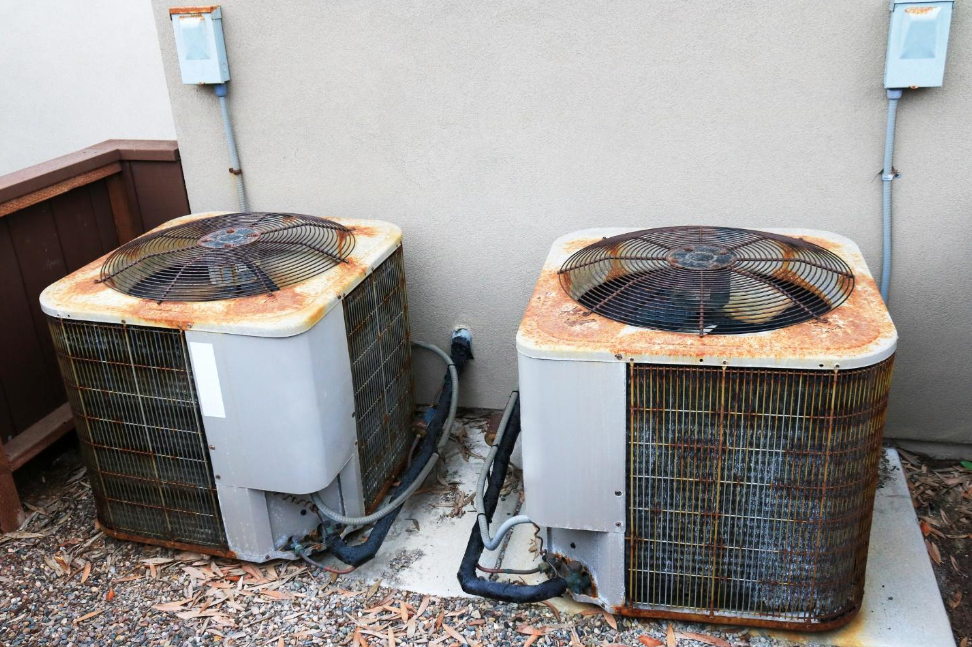
Photo from iStock - Credit: EuToch
HVAC Breaker Keeps Tripping During Peak Tropical Weather
South Carolina's humid subtropical climate can place significant demands on HVAC systems throughout the year. High temperatures and elevated humidity levels often require cooling equipment to operate for extended periods. As runtime increases, electrical and mechanical components experience additional stress. This added workload can contribute to recurring breaker trips when underlying issues are present.
During the hottest months, HVAC systems in Conway and Myrtle Beach may run almost continuously. Prolonged operation increases power consumption and places greater strain on motors, compressors, and electrical connections. Components that already show signs of wear may struggle to keep up with demand. As a result, the breaker may activate more frequently to protect the system.
Humidity can also affect HVAC performance in several ways. Excess moisture in the air makes cooling equipment work harder to maintain comfortable indoor conditions. The system may require longer cycles to remove both heat and humidity from the home. Increased operating time can amplify existing electrical or mechanical problems.
Homeowners often notice breaker issues during periods of extreme weather because system demands reach their highest levels. While weather itself may not directly cause the breaker to trip, it can expose weaknesses within the HVAC system. Recognizing these seasonal patterns can help identify developing concerns before they become major disruptions. Professional evaluation is especially valuable when electrical circuit breaker trips occur repeatedly during peak cooling season.
Warning Signs That Require Immediate Attention
Frequent Breaker Trips
- The breaker continues shutting off power repeatedly.
- Recurring trips often indicate an underlying electrical or mechanical problem.
- Repeated resets without diagnosis can allow the issue to worsen.
Burning Odors
- Electrical burning odors near the HVAC system or electrical panel should never be ignored.
- This may indicate overheating wires, damaged components, or excessive electrical resistance.
- Immediate specialist evaluation is recommended.
Unusual Noises
- Buzzing, humming, clicking, grinding, or rattling sounds can signal component failure.
- Changes in normal operating sounds may indicate increased system strain.
- These noises often accompany developing electrical or mechanical issues.
Reduced Cooling Performance
- The system struggles to maintain the desired indoor temperature.
- Cooling cycles may become longer and less effective.
- Poor performance can indicate equipment problems contributing to breaker trips.
Unexpected System Shutdowns
- The HVAC system turns off before completing a cooling cycle.
- Frequent interruptions may point to overheating or excessive power draw.
- Consistent shutdowns warrant professional diagnosis.
Visible Signs of Electrical Damage
- Scorch marks, melted insulation, or discoloration around circuit components.
- Damaged wiring or connections can create serious safety hazards.
- Immediate inspection is necessary to prevent further damage.
Hot Electrical Components
- Electrical panels, breakers, or HVAC components feel unusually warm.
- Excess heat often indicates an overloaded circuit or failing component.
- Early intervention can help prevent equipment damage and safety risks.
Fluctuating Indoor Comfort
- Inconsistent temperatures throughout the home.
- Sudden changes in system performance during operation.
- These symptoms may indicate a developing issue affecting overall HVAC efficiency.
Why Delaying Diagnosis Can Lead to Bigger Problems
Ignoring a breaker that trips repeatedly can allow small issues to become much larger concerns. What may begin as a minor electrical fault or component problem can worsen over time. Continued system operation under stressful conditions often increases wear on critical equipment. Early diagnosis helps identify the source of the problem before additional damage occurs.
Repeated breaker trips can place strain on HVAC components that are already under pressure. Motors, compressors, and electrical connections may experience accelerated wear when underlying issues remain unresolved. As performance declines, the system may become less reliable. This can lead to more frequent interruptions and reduced comfort.
Delaying professional evaluation may also affect energy efficiency. When climate control systems struggle to operate properly, it often consumes more electricity than necessary. Increased energy use can result from longer operating cycles and excessive power demand. Addressing problems promptly helps support efficient system performance.
Safety remains one of the most important reasons to seek timely diagnosis. Electrical faults, overheating components, and damaged wiring can present serious risks if left unaddressed. In Conway and Myrtle Beach, where HVAC systems work hard during South Carolina's tropical weather, unresolved issues can become more noticeable during peak cooling periods. Professional assessment helps protect both the electrical system and the long term health of the heating and cooling systems.
The Professional Diagnostic Process
Diagnosing a recurring breaker issue requires a thorough evaluation of both the electrical system and HVAC equipment. Since several factors can contribute to breaker trips, identifying the exact cause is essential. A comprehensive assessment helps determine whether the problem is electrical, mechanical, or a combination of both. Accurate diagnosis supports effective and lasting solutions.
Licensed technicians in Conway, SC begin by examining the breaker, electrical panel, and circuit connections. They look for signs of wear, overheating, loose connections, and other indicators of electrical stress. Testing may also be performed to evaluate circuit performance and power demands. These steps help uncover issues that are not always visible during a basic inspection.
The HVAC system itself is also an important part of the evaluation process. Components such as motors, compressors, and electrical controls are assessed for signs of excessive strain or malfunction. Performance issues within the equipment can increase power consumption and trigger breaker trips. Identifying these concerns helps narrow down the root cause.
In Conway and Myrtle Beach, HVAC systems often operate under heavy demand due to South Carolina's humid subtropical climate. Extended cooling seasons can place additional stress on both electrical and mechanical components. A professional diagnostic process takes these environmental factors into account when evaluating system performance. This detailed approach helps ensure safe operation, improved reliability, and sustainable equipment health.
Why Local Experience Matters in Conway and Myrtle Beach
Local environmental conditions can have a significant impact on HVAC and electrical system performance. Homes in Conway and Myrtle Beach face challenges that may differ from those in other regions. Understanding these factors helps technicians identify issues more accurately. Regional knowledge often leads to more effective diagnoses and recommendations.
South Carolina's tropical climate creates long cooling seasons with high humidity levels. HVAC systems frequently operate for extended periods to maintain indoor comfort. This increased workload can place additional stress on electrical components and mechanical equipment. Over time, these conditions may contribute to breaker-related concerns.
Coastal areas also experience exposure to moisture and salt-laden air. These environmental factors can accelerate wear on certain electrical connections and system components. As equipment ages, performance issues may become more noticeable during periods of heavy use. Recognizing how local conditions affect HVAC systems is an important part of the evaluation process.
Professionals familiar with Conway and Myrtle Beach understand the unique demands placed on residential electrical systems. Their experience allows them to identify patterns and concerns commonly associated with the region's climate. This localized expertise supports more accurate troubleshooting and long term reliability. Property owners benefit from solutions that account for both system performance and environmental conditions.
Protecting Your Home and HVAC System for the Long Term
A breaker that trips repeatedly is often a sign that something within the HVAC system or electrical circuit needs attention. Electrical faults, overloaded circuits, compressor issues, and mechanical wear are among the most common causes. While the breaker is performing its intended safety function, recurring interruptions should not be considered normal. Identifying the underlying problem is essential for maintaining reliable operation.
Early action can help reduce unnecessary strain on climate control systems. When issues are addressed promptly, critical components may avoid additional wear and damage. This proactive approach can also help maintain energy efficiency and consistent indoor comfort. Small concerns are often easier to manage before they develop into larger system problems.
Homeowners in Conway and Myrtle Beach face unique challenges due to South Carolina's tropical climate. Long cooling seasons, high humidity, and increased system runtime can place added demands on HVAC equipment and electrical systems. These environmental conditions make regular monitoring especially important. Paying attention to performance changes can help identify concerns before they escalate.
If your HVAC breaker keeps tripping, professional diagnosis is the most effective way to determine the cause and restore safe operation. A thorough evaluation can uncover hidden electrical or mechanical issues that may otherwise go unnoticed. Addressing problems early helps support lasting system reliability and safety. With proper attention and expert care, family members can better protect both their comfort and their investment.
Schedule an HVAC Electrical Inspection Today
If your HVAC breaker keeps tripping, don't ignore the warning signs. Contact Mister Sparky of Myrtle Beach, SC for a professional HVAC electrical inspection and accurate diagnosis. Our experienced electricians help homeowners in Conway, Myrtle Beach, and throughout South Carolina identify the cause of recurring breaker trips and restore safe, reliable system performance. Schedule service today to help keep your home comfortable and protected in the region's tropical climate.