The Real Cost of Waiting: When ‘It’s Still Working’ Isn’t the Same as ‘It’s Working Well’
In San Antonio, it’s not unusual for an air conditioner to still be running even when it’s no longer running well. Many homeowners tell me the same thing:
“It’s old, but it’s still working… so we’re just waiting.”
And I understand that instinct. HVAC systems are a big investment, and no one wants to replace something before they absolutely must. But here’s what I’ve learned after serving hundreds of homes and their HVAC systems across San Antonio and the surrounding:
Waiting often costs more than planning.
Just not always in ways you see right away.
From the Owner
I’ve been a part of too many homes during peak summer where a family was forced into a rushed decision, not because they ignored their system, but because no one ever explained the early warning signs. Helping homeowners avoid emergency decisions is one of the biggest reasons I care so deeply about education and preventative conversations.
This blog isn’t about telling you to replace your system.
It’s about helping you understand what “waiting” actually costs.
“Still Working” vs. “Working Well”: Why the Difference Matters
An HVAC system doesn’t usually fail all at once. More often, it declines gradually and quietly losing efficiency long before it completely stops.
A system that isn’t working well may still:
- Turn on
- Cool the house (eventually)
- Get you through the day
But behind the scenes, it could also be:
- Running longer than it should
- Using significantly more energy
- Struggling to maintain consistent temperatures
- Putting stress on aging components
In South Texas heat, that gap between “working” and “working well” gets expensive fast.
Hidden Cost #1: Rising Energy Bills You Slowly Get Used To
One of the first signs a system is declining is a higher electric bill, even when nothing else in your home has changed.
As systems age:
- Motors work harder
- Refrigerant levels become less efficient
- Airflow restrictions reduce performance
The result?
Your AC runs longer to achieve the same comfort.
Because this increase happens gradually, many homeowners chalk it up to:
- “It’s just hotter this year”
- “CPS rates went up”
- “That’s just summer in Texas”
Sometimes that’s true. Often, it’s not.
A system that’s losing efficiency can quietly cost homeowners hundreds—or thousands—over time without ever “breaking.” 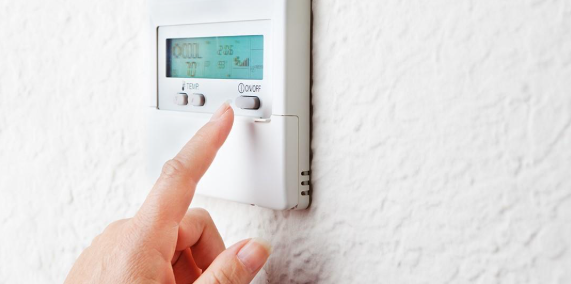
Hidden Cost #2: Emergency Breakdowns at the Worst Possible Time
In San Antonio, HVAC emergencies rarely happen in March.
They happen:
- During 100°+ heat
- On weekends
- When systems are running nonstop
When a system finally fails under extreme demand, homeowners are often faced with:
- Limited scheduling availability
- Fewer equipment options
- Decisions made under stress instead of clarity
Emergency replacements aren’t just inconvenient; they remove your ability to plan calmly and choose what’s truly best for your home.
Hidden Cost #3: Shortened System Lifespan
Here’s something many people don’t realize:
A struggling system working overtime often wears out faster than a system that’s proactively cared for.
Small, fixable issues when ignored can lead to:
- Compressor damage
- Electrical failures
- Refrigerant system strain
At that point, repairs become less cost-effective, and homeowners feel like replacement came “out of nowhere,” even though the signs were there all along.
Why Planning Beats Panic (Every Time)
Planning doesn’t mean replacing a system early.
It means understanding where your system stands before it becomes an emergency.
When homeowners plan ahead, they gain:
- Time to evaluate options
- The ability to budget intentionally
- More control over timing
- Less stress overall
Some families plan for replacement months or even years in advance. Others simply want peace of mind knowing where they stand.
Both are smart.

What I Encourage Homeowners to Look For
If you’re unsure whether your system is “still working” or “still working well,” here are a few things worth paying attention to:
- Energy bills are increasing year over year
- Uneven temperatures between rooms
- Longer cooling cycles
- Increased indoor humidity
- Frequent service calls for “small” issues
These don’t automatically mean replacement, but they do mean it’s time for an honest evaluation.
A San Antonio Reality Check
Our climate is demanding. HVAC systems here work harder and longer than in many other parts of the country. That’s why timing matters so much.
Spring and early summer are often the best times to:
- Assess system health
- Address efficiency issues
- Plan for the future without urgency
Once peak heat hits, options narrow.
My Perspective as a Homeowner and Business Owner
As someone who owns a home and a local HVAC business, I never want families to feel backed into a corner. HVAC decisions should feel informed, not forced.
My goal is always the same:
Help homeowners understand what’s happening in their system so they can decide what makes sense for their home, their budget, and their timeline.
No pressure.
No fear tactics.
Just clarity.

Final Thought: Waiting Isn’t Free, But Planning Is Powerful
Waiting might feel easier in the moment, but it often comes with hidden costs that show up later at the worst possible time.
Planning gives you control.
Planning gives you options.
Planning gives you peace of mind.
And in a San Antonio summer, that peace of mind is worth a lot.